Aligarh District · Uttar Pradesh · India

Gabhana

गभाना — गंगा-यमुना दोआब का ऐतिहासिक नगर

A historic tehsil town on the legendary Grand Trunk Road — home of the majestic Fort Gabhana of the Jadaun Rajputs, golden wheat fields, and three centuries of living heritage.

About the Town

Where the Grand Trunk Road meets Living History

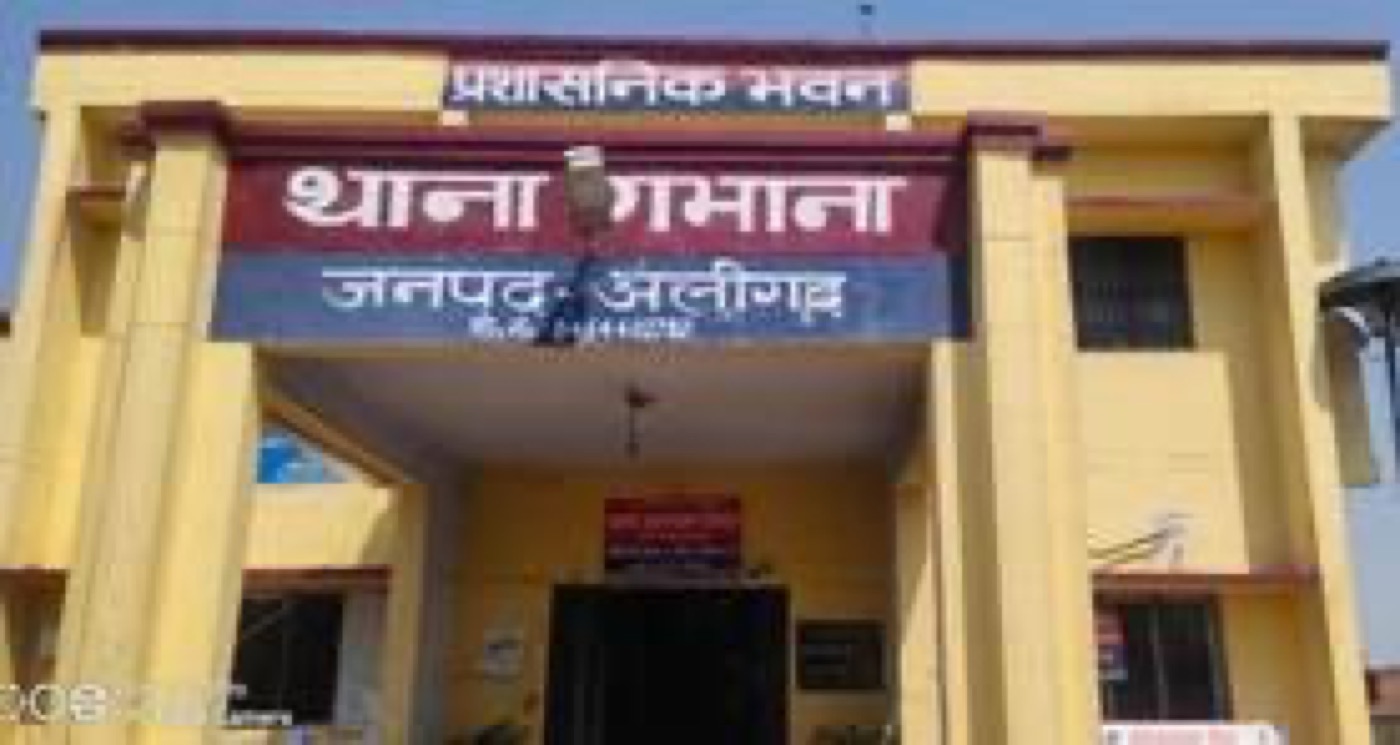
Gabhana is a tehsil, block, town and Nagar Panchayat in Aligarh district of Uttar Pradesh — just 23 km from Aligarh city, about 100 km southeast of New Delhi, and 80 km from Noida and Ghaziabad.

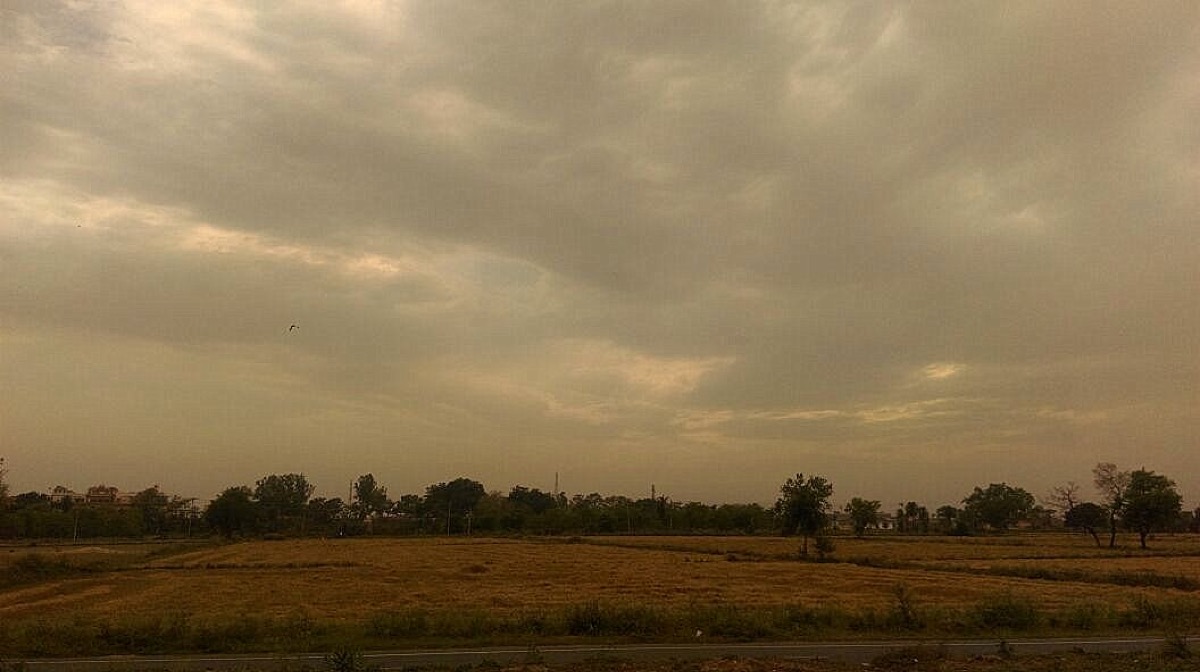
Set amid the fertile Gangetic plains of the doab, the town is surrounded by rolling wheat fields and groves of mango, acacia and ber trees. Gabhana Tehsil governs 1 town and 158 villages across 473 km², and the town lies close to the Harduaganj Thermal Power Station — one of the oldest power plants in India.

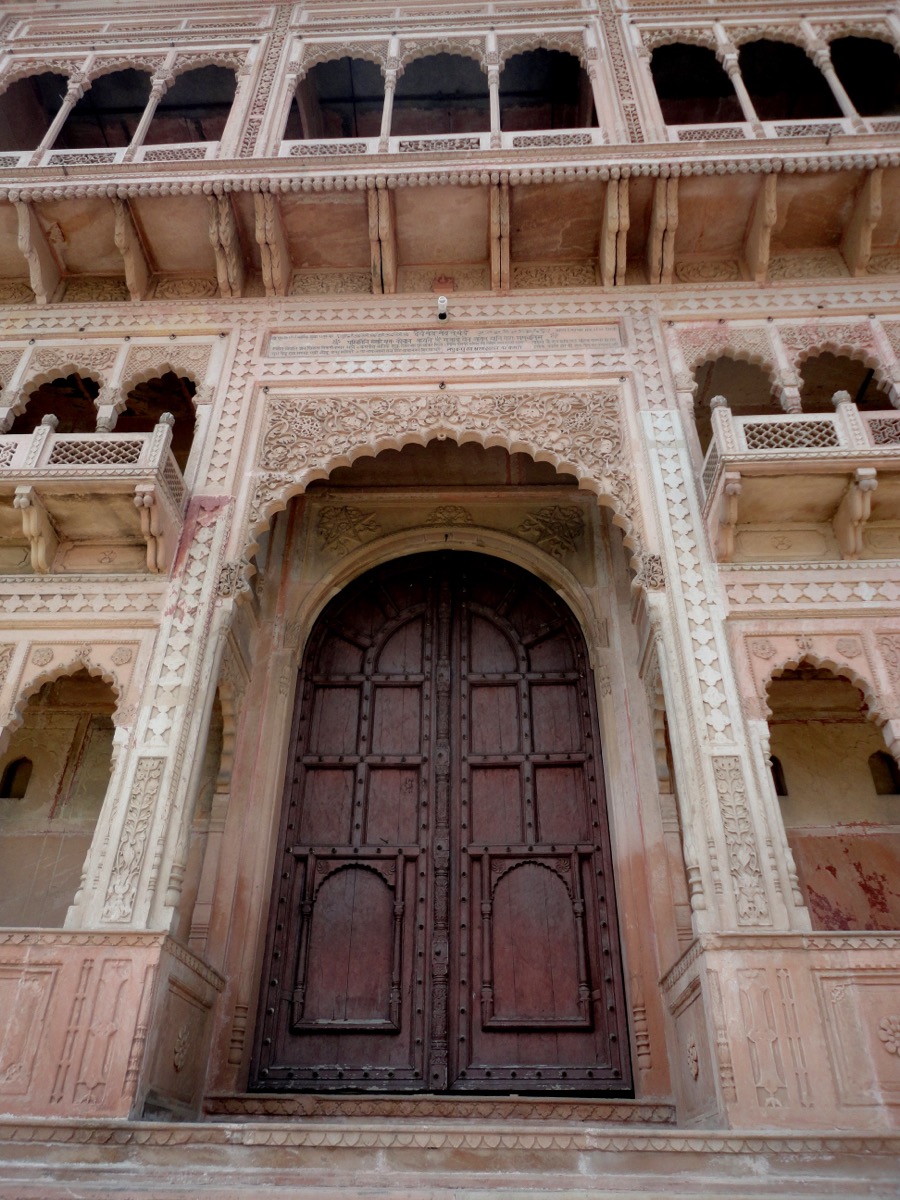
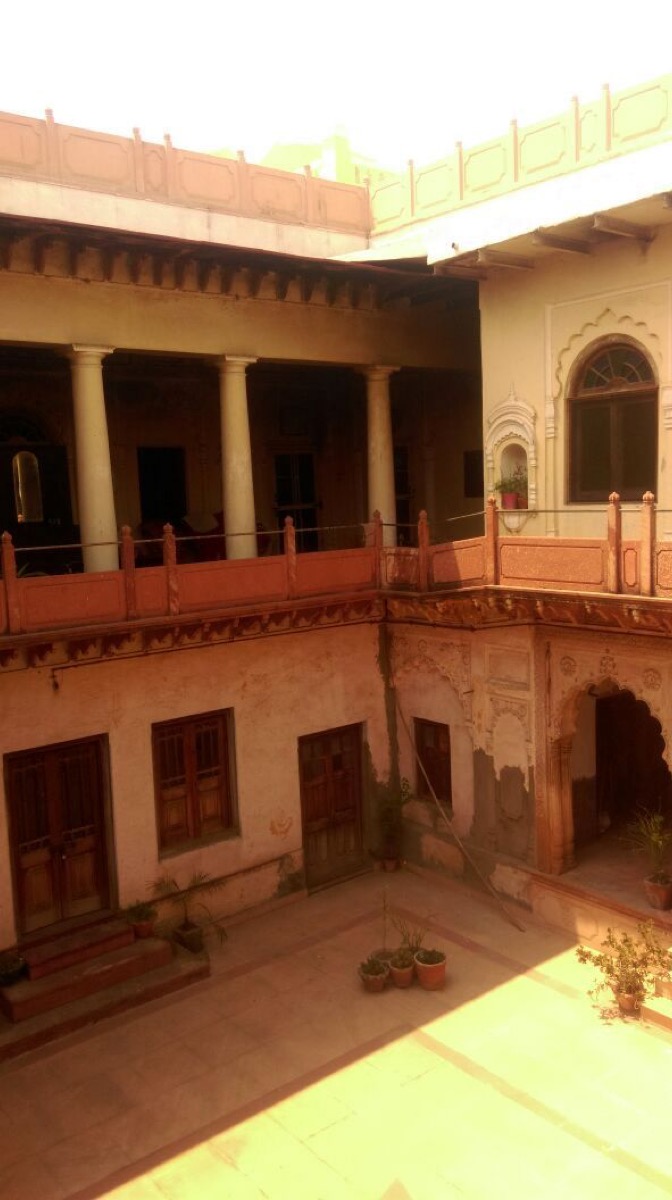
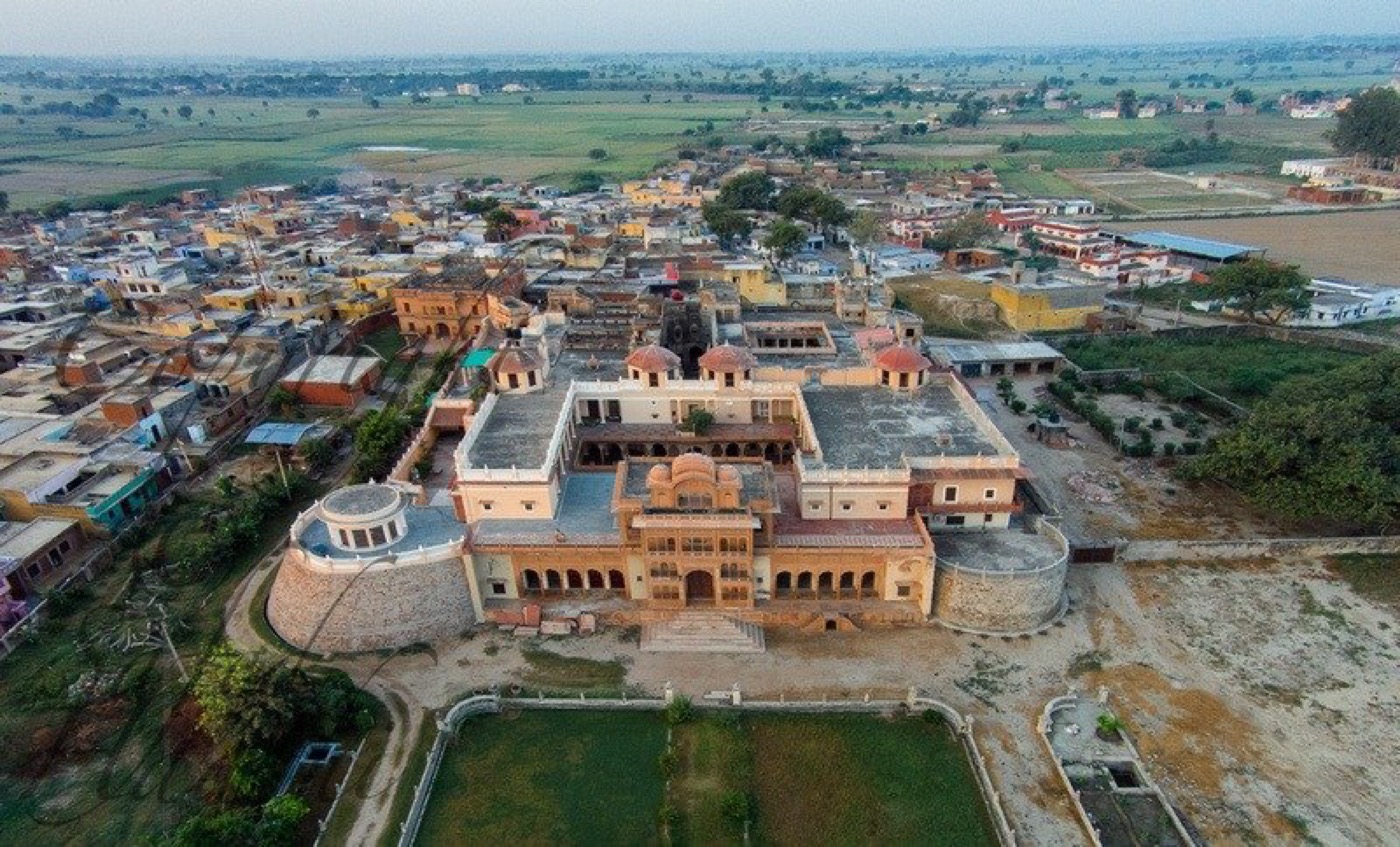
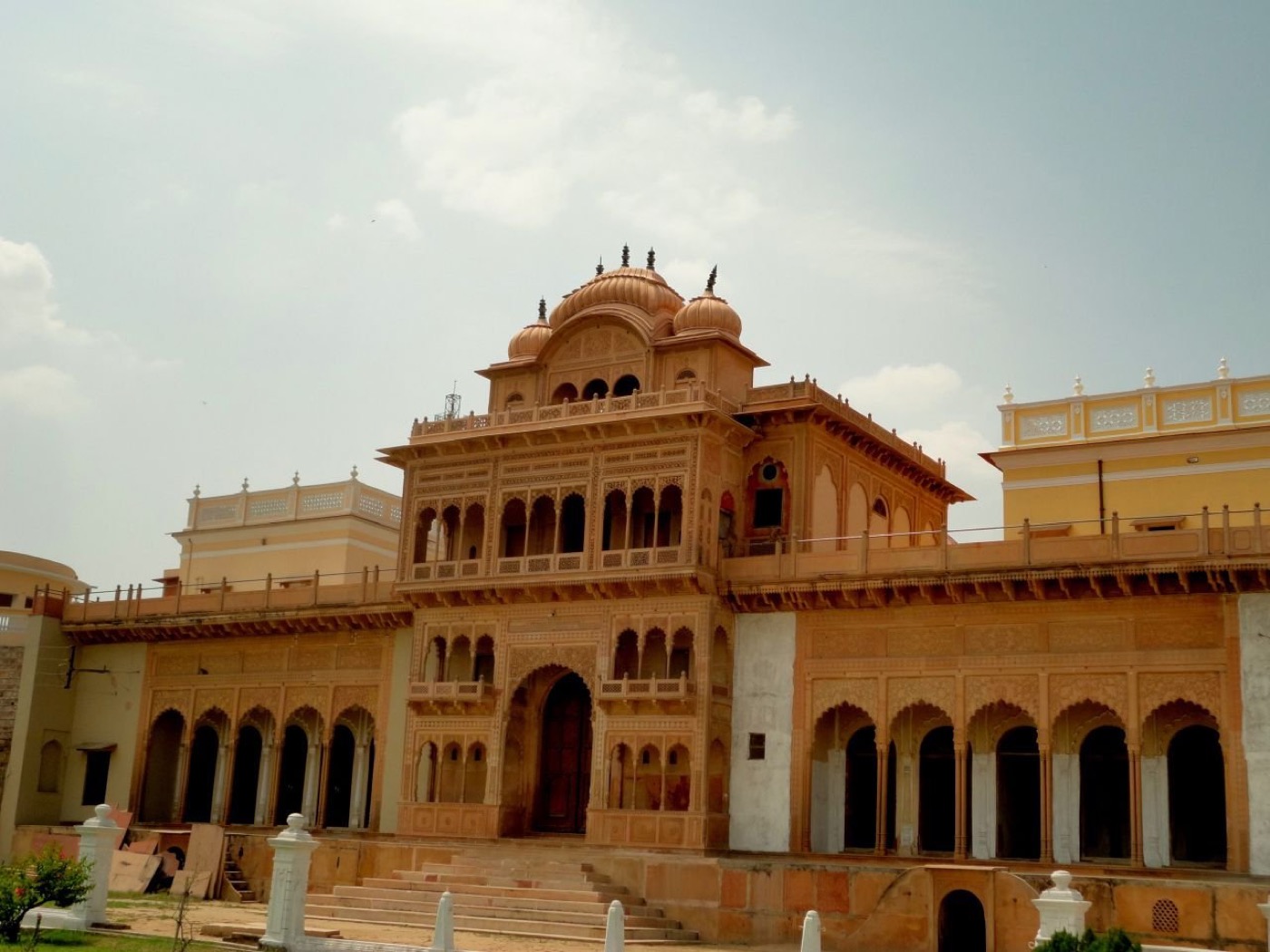
Once the seat of the Gabhana Riyasat of the Jadaun Rajputs — an estate of some 60–80 villages — the town still carries its royal legacy in the pink sandstone gateway of Fort Gabhana.

  • DistrictAligarh, Uttar Pradesh
  • StatusTehsil · Block · Nagar Panchayat
  • PIN Code202136
  • STD Code05724
  • Vehicle Reg.UP-81
  • LanguagesHindi · Urdu
  • Lok SabhaAligarh
  • Vidhan SabhaBarauli (Gabhana)
  • Nearest StationSomna Railway Station

5,886

Town Population (2011)

3.08 L

Tehsil Population

158

Villages in Tehsil

473 km²

Tehsil Area

71.7%

Effective Literacy

Heritage

The Story of Fort Gabhana

The pride of Gabhana is its sandstone palace — a rare blend of Rajasthani grandeur and colonial elegance, seat of the Jadaun Rajput zamindars whose ancestors came from Karauli State in Rajasthan.

Ancient Roots

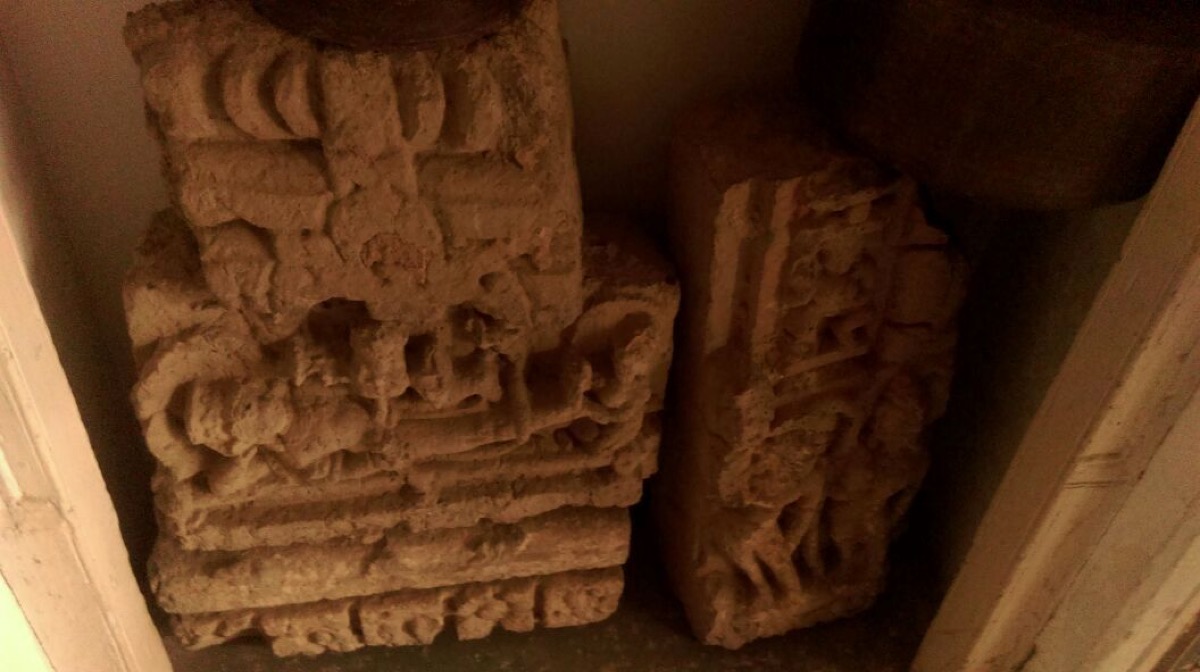
Stone carvings unearthed during palace construction suggest an ancient temple once stood on this very site — hinting that Gabhana's story begins long before recorded history.

18th Century — The Jadaun Estate

Jadaun Rajputs, migrating from Karauli State, established the Gabhana estate. An early mud fort rose here, and the oldest surviving palace sections date back some 250–300 years. Under Raja Surajmal Jadaun the estate flourished.

1912–1919 — The Grand Palace

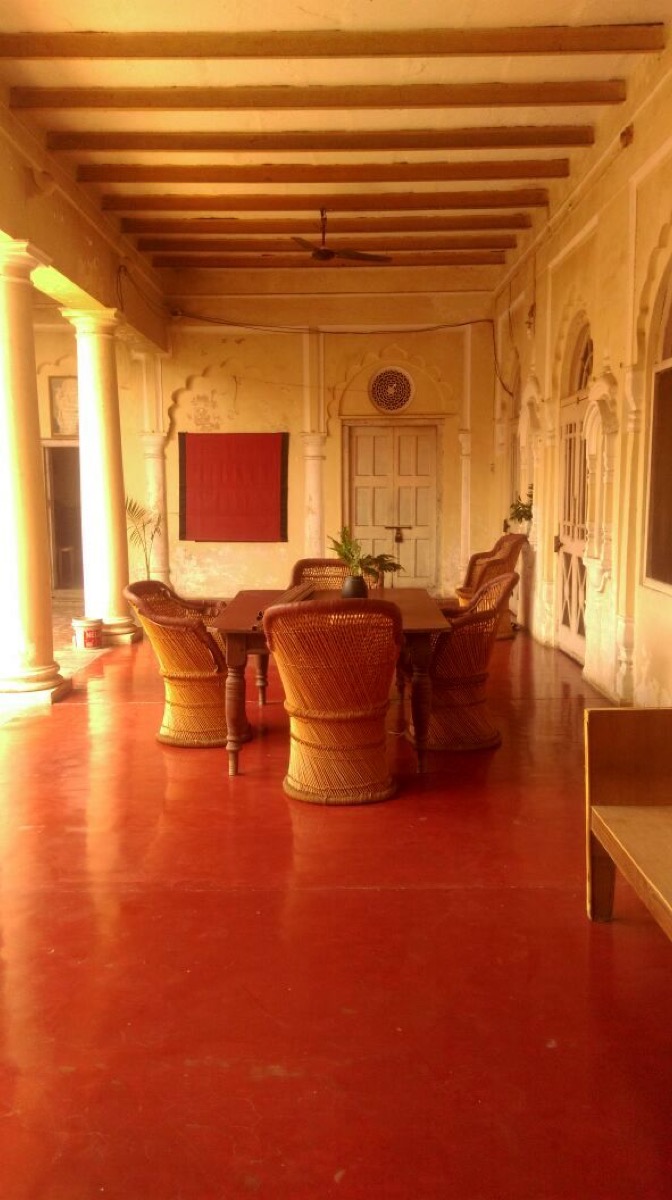
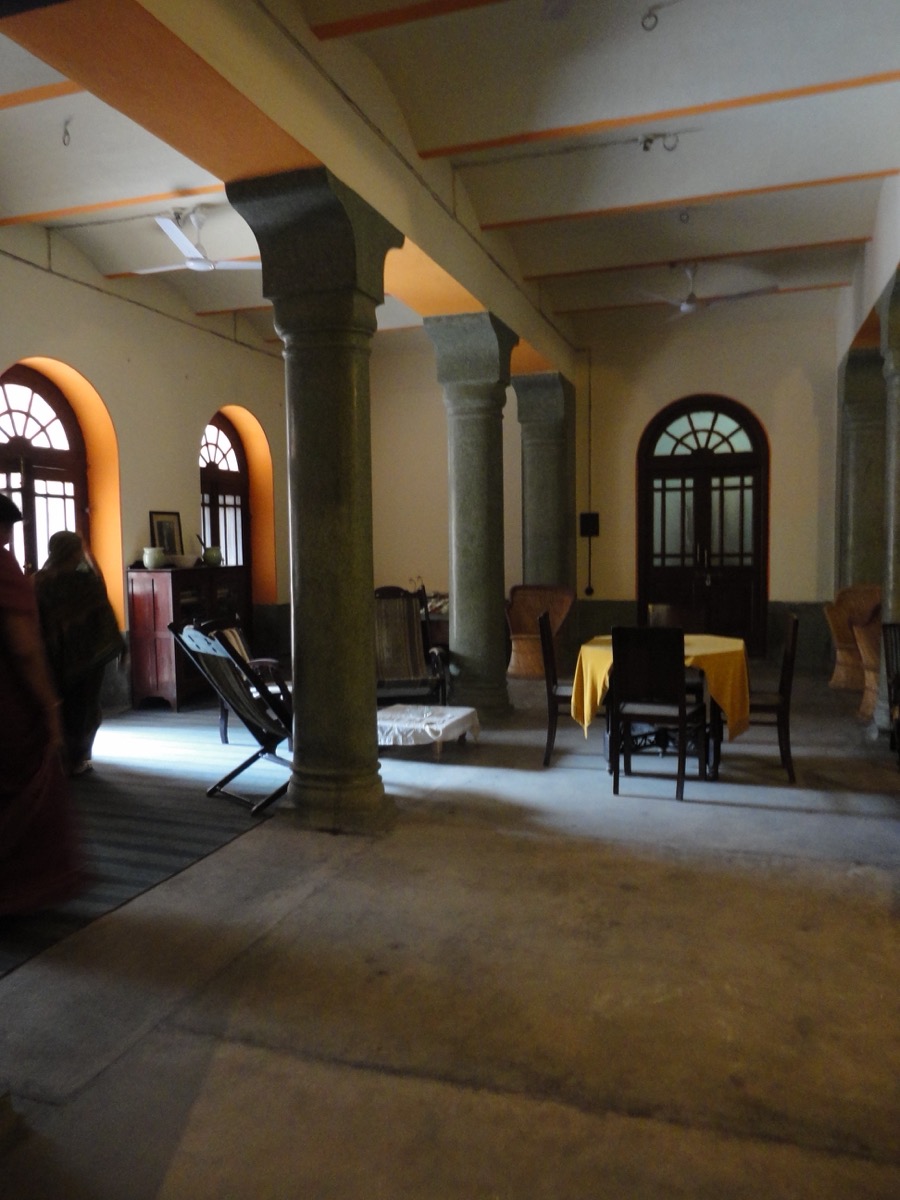
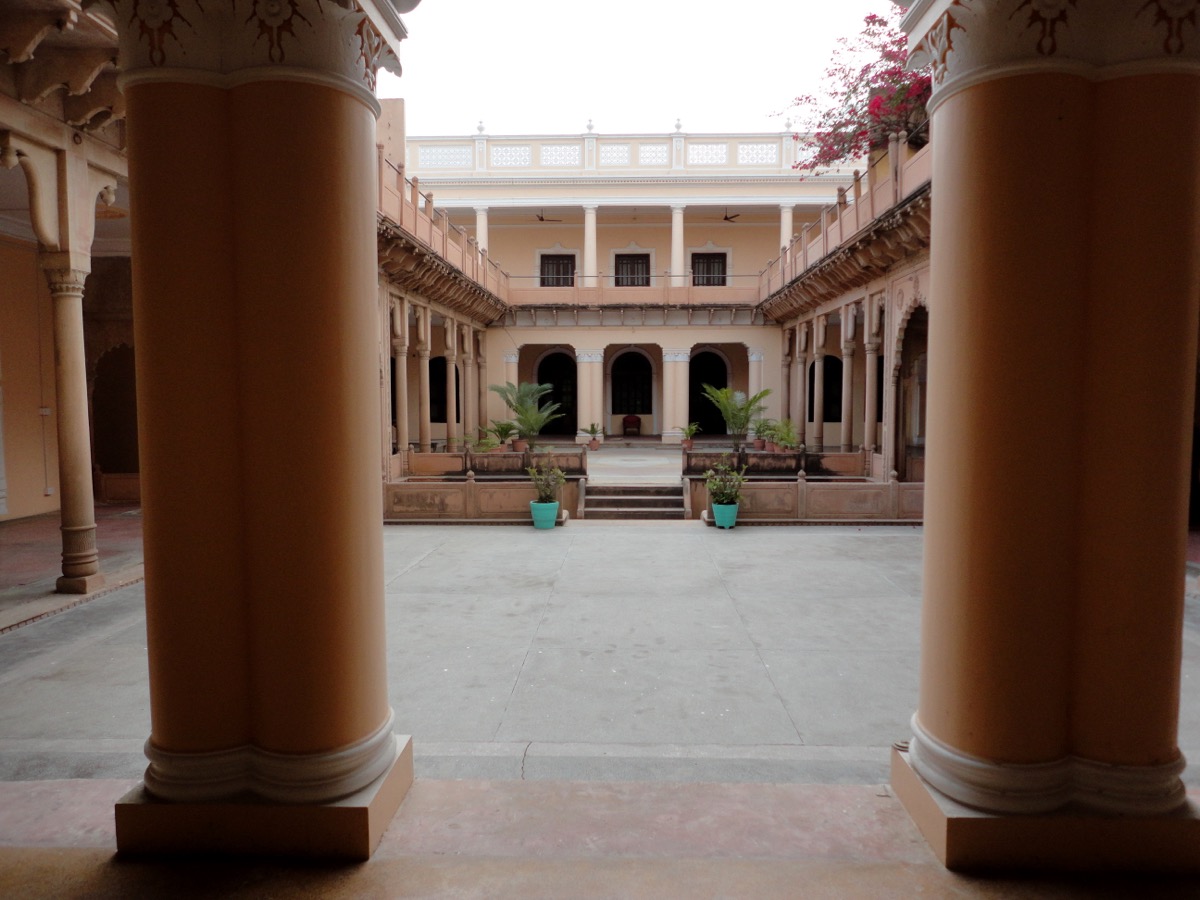
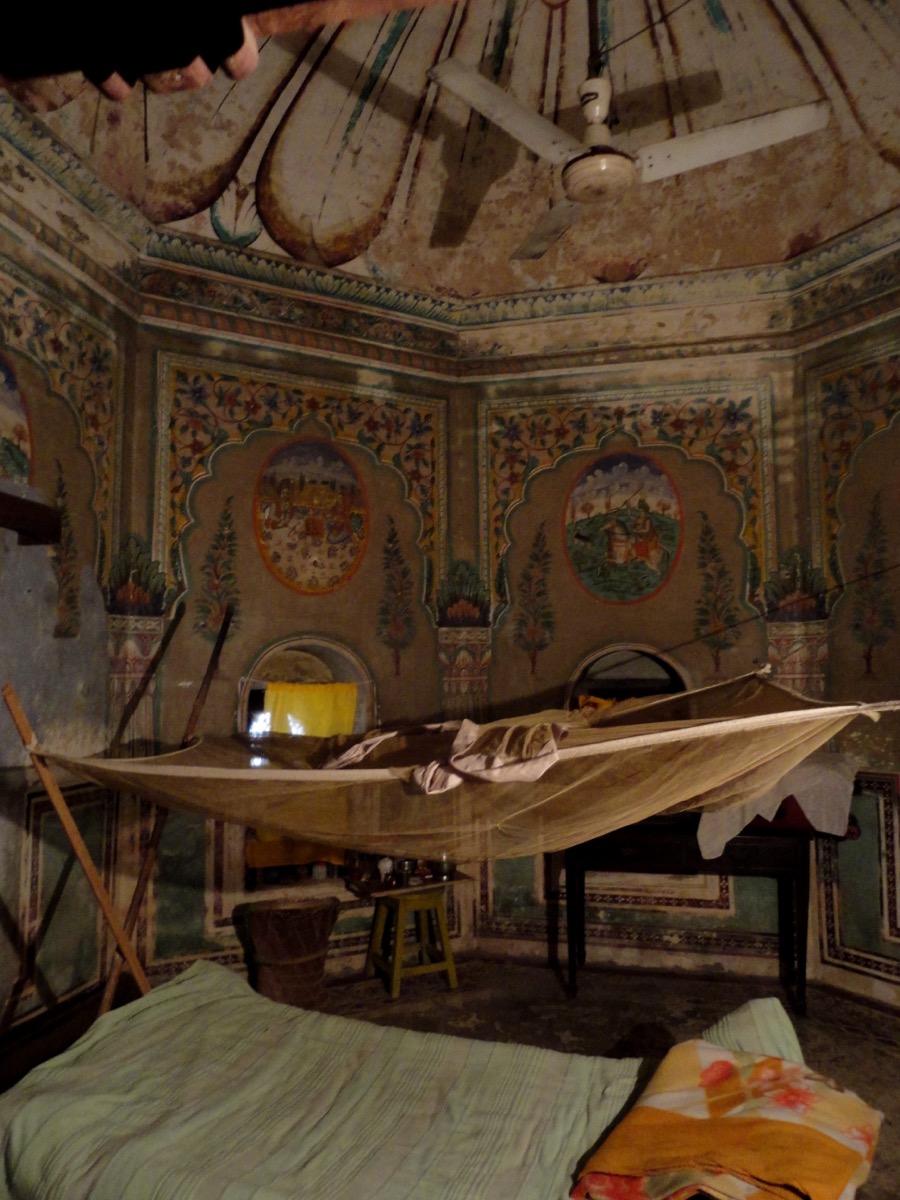
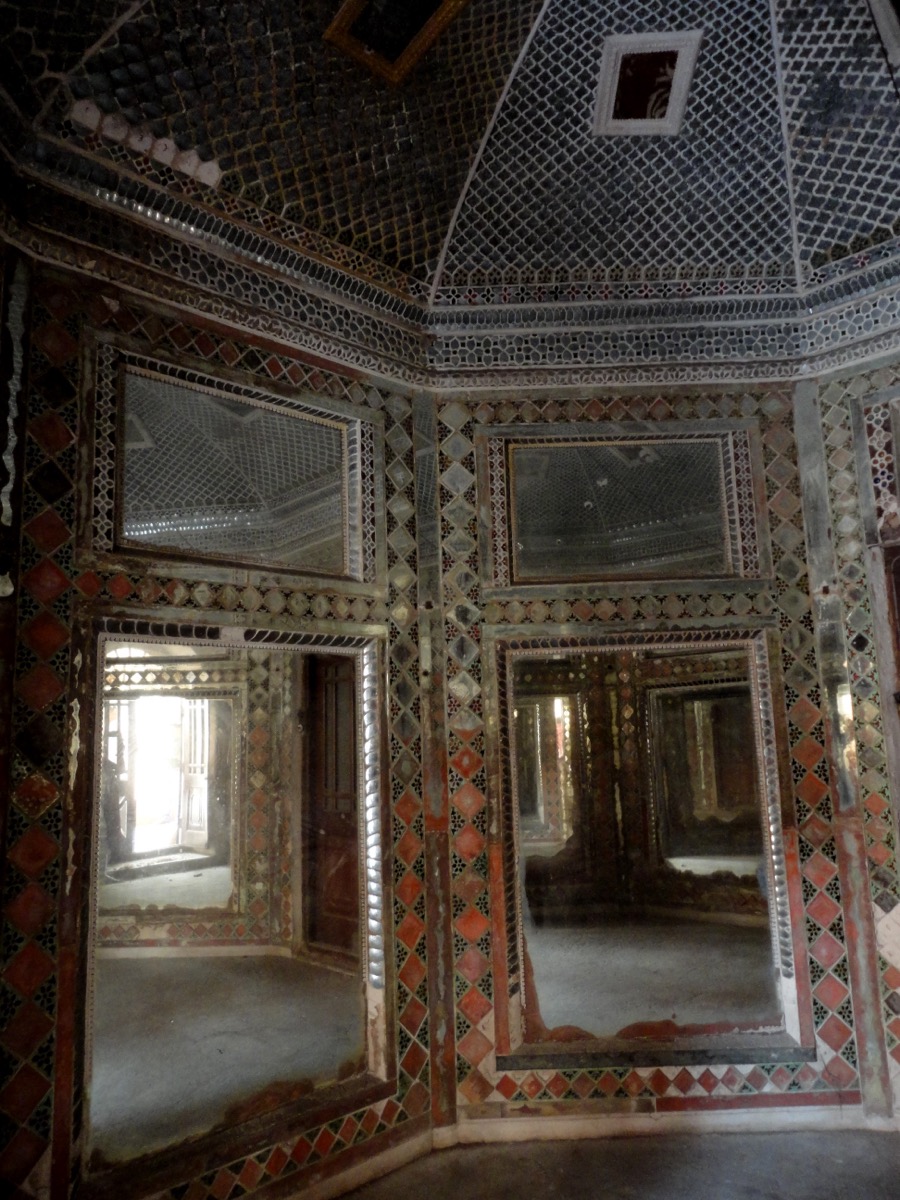
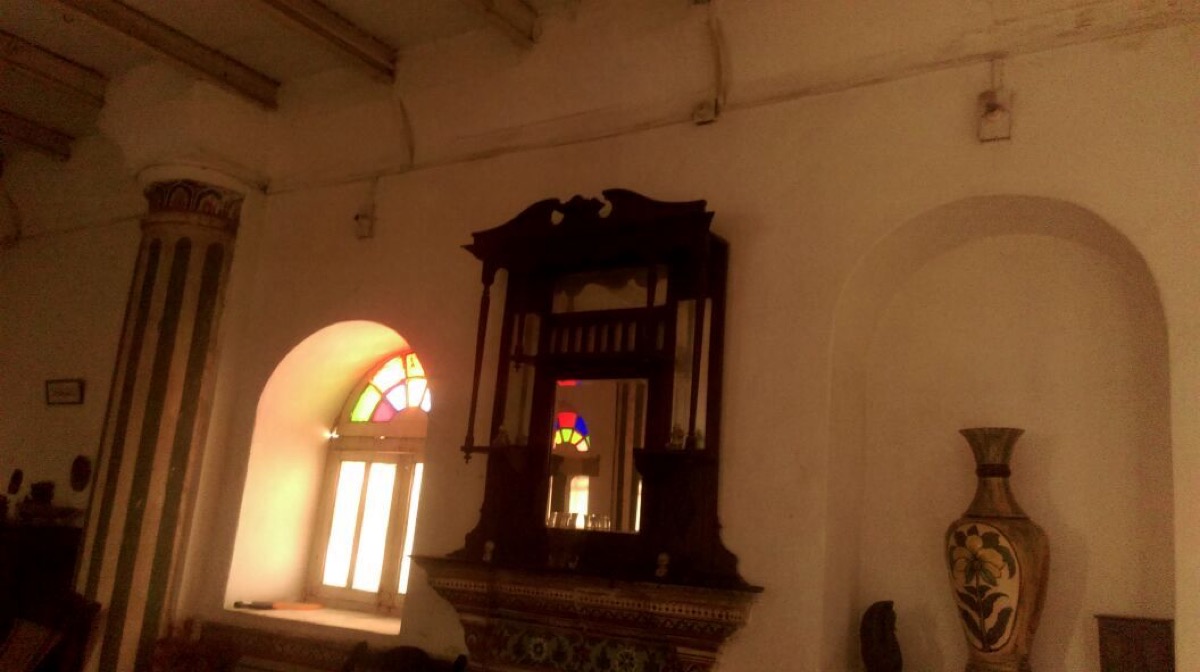
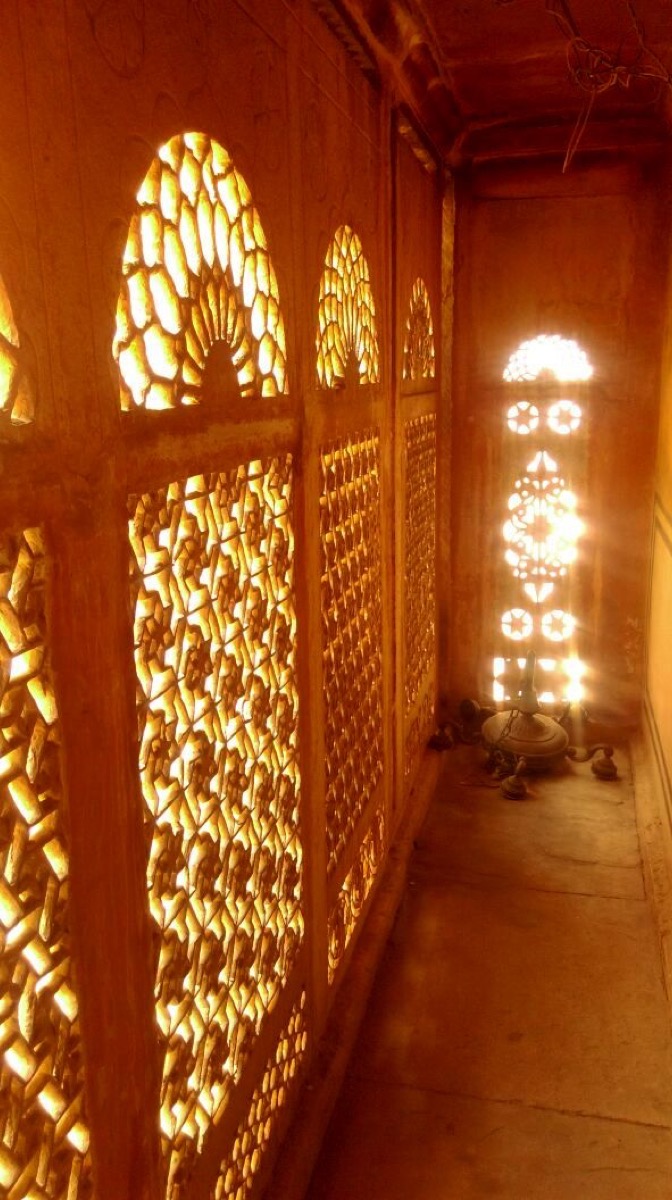
Brothers Laxmi Raj Singh and Capt. Dev Raj Singh built the newer palace over five years: an intricately carved pink-sandstone gateway, double chhatris, jali screens, a sheesh mahal of mirror-work, hand-painted domed ceilings, red-oxide verandahs and a katchehri court chamber — flanked by pale yellow-and-white colonial wings.

1930s — The Riyasat at its Height

The Gabhana Riyasat spanned roughly 60–80 villages, one of the notable zamindari estates of the Aligarh–Hathras region in British India, drawing an estimated annual revenue of around ₹70,000 — a considerable sum at the time. Gabhana was regarded as one of the most progressive villages of British India: it had pucca (paved) broad roads, a teacher-training centre, a Sanskrit Pathshala, schools, a hospital, mango orchards and well laid-out village streets, well ahead of most settlements of its era.

Post-Independence — Zamindari Abolition & Public Life

With the abolition of the zamindari system after Independence, the Gabhana Riyasat's formal estate came to an end, but the royal family's standing in the region endured. Members of the family went on to represent the area in both the Uttar Pradesh Vidhan Sabha and the Indian Parliament in subsequent decades — a legacy of public service that continues to shape local leadership today.

Today — A Heritage Reborn

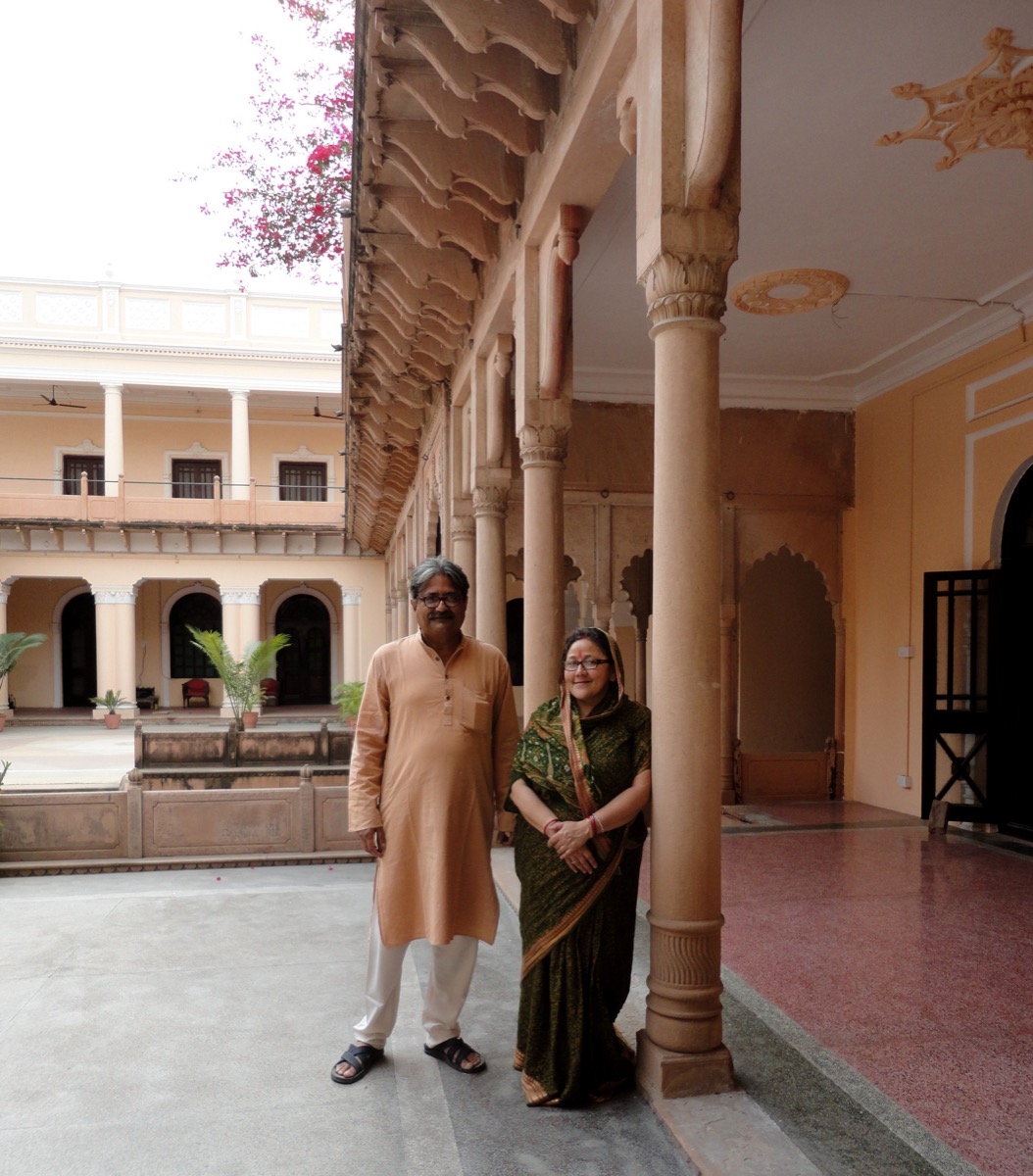
Descendants of the royal family are lovingly restoring the palace — with artisans from Rajasthan reviving its hand-painted ceilings — to open it as a heritage homestay, inviting the world to experience Gabhana's living history.

Civic Life

Governance & Political Representation

Gabhana today is governed as a Nagar Panchayat, and falls under two layers of elected representation — the state Vidhan Sabha and the national Lok Sabha.

🏛️ Nagar Panchayat Gabhana
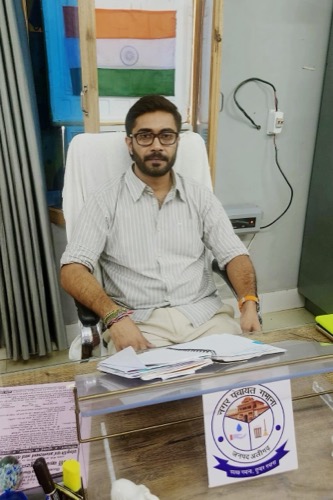
Kunwar Abhimanyu Raj Singh, Chairman of Nagar Panchayat Gabhana
Kunwar Abhimanyu Raj Singh
Chairman, Nagar Panchayat Gabhana & Raja of Gabhana
  • Chairman (Adhyaksh): Kunwar Abhimanyu Raj Singh — also the present Raja of Gabhana
  • Executive Officer: Vikas Jain
  • Clerk: Naveen Kumar
  • Office: info@npgabhana.in

🗳️ Elected Representatives

  • Vidhan Sabha: Barauli (Gabhana) constituency — MLA Thakur Jaiveer Singh (BJP), elected 2022 with 60.57% vote share
  • Lok Sabha: Aligarh constituency — MP Satish Kumar Gautam (BJP), re-elected 2024
  • The Barauli seat has swung between BJP, BSP, RLD and Congress over the decades, currently held firmly by BJP

Kunwar Abhimanyu Raj Singh, the current Nagar Panchayat chairman, is also the present Raja of Gabhana — the reigning head of the royal Jadaun family that once ruled the Gabhana Riyasat. His dual role as both hereditary Raja and elected chairman is a rare living link between the town's royal past and its modern civic administration.
Getting Here

Location & Connectivity

🛣️ By Road

  • On NH-91 (Grand Trunk Road) with a dedicated Gabhana bypass
  • 23 km from Aligarh city · ~100 km from New Delhi
  • ~80 km from Noida & Ghaziabad · near Khair and Khurja
  • NH-91 toll plaza at Somna · local bus stand in town

🚆 By Rail & Nearby

  • Nearest railway station: Somna (Delhi–Aligarh line)
  • Aligarh Junction — major rail hub, 23 km away
  • Near Harduaganj Thermal Power Station
  • Aligarh Muslim University just half an hour away